Conference Theme

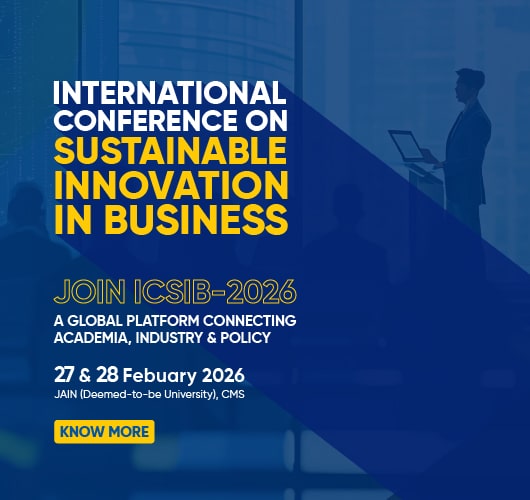
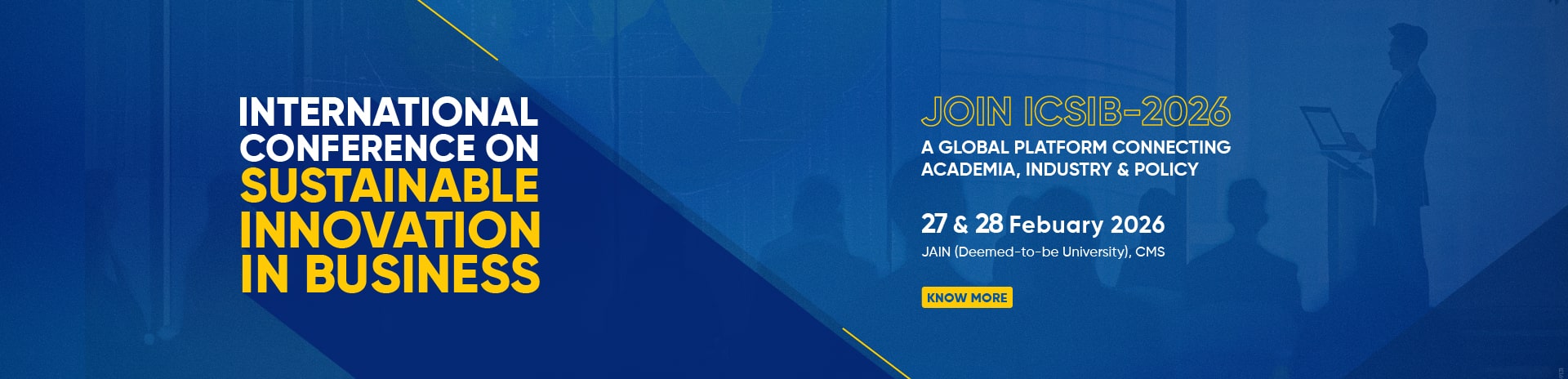
The International Conference on Sustainable Innovation in Business (ICSIB-2025) is structured around thematic areas that reflect the critical intersections of business, technology, policy, and society. Each theme is designed to provide a focused platform for dialogue, research dissemination, and knowledge exchange, while directly aligning with the United Nations Sustainable Development Goals (SDGs).

By bringing together perspectives from academia, industry, and policy, the themes address the urgent need for innovative business models, responsible use of technology, inclusive practices, and supportive governance mechanisms. Collectively, they provide a comprehensive framework for exploring how organisations and institutions can contribute to building a sustainable and resilient global future.

Sub-Themes

This theme focuses on rethinking business practices and models to create long-term resilience and sustainability

  • Circular economy and zero-waste business practices (SDG 12: Responsible Consumption and Production)
  • Green entrepreneurship and sustainable start-ups (SDG 8: Decent Work and Economic Growth)
  • Inclusive business models designed to serve underrepresented and underserved communities (SDG 10: Reduced Inequalities)
  • AI-driven optimisation of supply chains to reduce waste and enhance sustainability (SDG 9: Industry, Innovation, and Infrastructure)

This theme highlights the importance of partnerships between universities and industries in advancing the SDGs.

  • Co-creation of sustainable technologies through collaborative university–industry partnerships (SDG 17: Partnerships for the Goals)
  • Translating academic research into practical, real-world solutions for climate action (SDG 13: Climate Action)
  • Workforce development and upskilling to meet the requirements of sustainable industries (SDG 4: Quality Education)
  • Knowledge transfer initiatives for sustainable urban growth and development (SDG 11: Sustainable Cities and Communities)

This theme explores the role of emerging technologies in addressing global sustainability challenges.

  • AI for energy efficiency and adopting renewable energy solutions (SDG 7: Affordable and Clean Energy)
  • Application of AI and data analytics for sustainable agriculture and ensuring food security (SDG 2: Zero Hunger)
  • Ethical governance and responsible deployment of AI for equitable access to technology (SDG 16: Peace, Justice, and Strong Institutions)
  • Smart infrastructure development and the Internet of Things (IoT) will support resilient communities (SDG 9: Industry, Innovation, and Infrastructure)

This theme examines the integration of inclusivity and environmental responsibility in business practices.

  • Corporate social responsibility (CSR) and transparent sustainability reporting (SDG 12: Responsible Consumption and Production)
  • Promoting gender equality and diversity in leadership roles within sustainable businesses (SDG 5: Gender Equality)
  • Designing climate-resilient strategies and adaptive business models (SDG 13: Climate Action)
  • Encouraging community-driven innovation to address poverty and enable local empowerment (SDG 1: No Poverty)

This theme focuses on the enabling frameworks and financial mechanisms required for sustainable development.

  • Public–private partnerships that drive innovation aligned with the SDGs (SDG 17: Partnerships for the Goals)
  • Green financing and impact investment are key drivers of sustainable enterprises (SDG 8: Decent Work and Economic Growth)
  • Regulatory frameworks ensuring the ethical application of AI and sustainability principles (SDG 16: Peace, Justice, and Strong Institutions)
  • Global trade policies that support inclusive and sustainable development (SDG 10: Reduced Inequalities)

Site Designed and Maintained By: Office of Communications, JAIN (Deemed-to-be University)